





Vehicle-Mounted Inverter Selection and Maintenance: Strategies for Reducing Operating Costs
- What is Car Inverter Power Selection?
- Quick Summary & Key Takeaways
- How to Calculate Your Vehicle's Power Demands
- Data Comparison Table: Pure Sine vs. Modified Sine Wave Cost & Efficiency
- Vehicle-Mounted Inverter Maintenance Strategies to Reduce Costs
- Advanced Fleet Power Solutions: A Congsin Case Study
- Expert Tips and Common Mistakes to Avoid
- Conclusion
- Frequently Asked Questions
- What size inverter do I need for my car?
- Does a power inverter drain the car battery?
- What is the difference between continuous and peak power?
- Can I run a car inverter while the engine is off?
- Why is my vehicle-mounted inverter constantly overheating?
- Are pure sine wave inverters worth the extra cost?
- How often should I perform maintenance on my car inverter?
- What happens if I overload my car power inverter?
What is Car Inverter Power Selection?
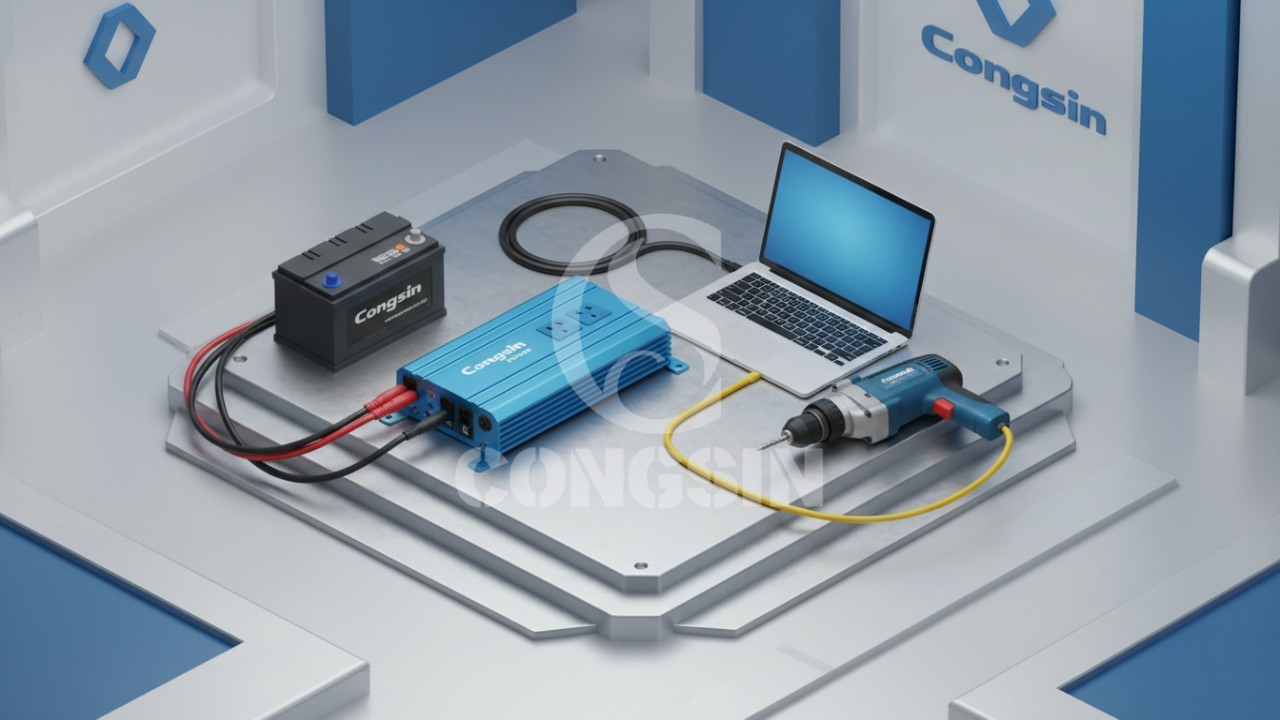
Car inverter power selection is the critical process of matching a vehicle-mounted inverter's continuous and peak wattage capacity to the electrical demands of your onboard equipment. Choosing the correct capacity ensures safe operation, prevents vehicle electrical system damage, and significantly reduces long-term operating costs.
Selecting the right inverter is not merely about picking the highest wattage available; it is an exercise in precision and efficiency. Key factors in selection include assessing your exact device load, understanding your vehicle's alternator limits, and choosing the appropriate waveform type for your specific electronics. When you get this right, you optimize your vehicle power management and protect sensitive equipment from premature failure. For fleet managers, mobile contractors, and RV enthusiasts, the electrical system is the lifeblood of daily operations. A poorly chosen inverter can lead to stranded vehicles, fried electronics, and ballooning maintenance budgets. Conversely, a carefully selected power solution ensures seamless productivity, allowing you to run power tools, laptops, medical devices, and communication equipment without placing undue stress on your vehicle's engine or battery bank.
Quick Summary & Key Takeaways
A quick summary and key takeaways provide a high-level overview of the most critical steps for optimizing vehicle power systems, ensuring you calculate power correctly, choose the right waveform, and perform regular maintenance to protect your equipment and reduce costs.
- Calculate Total Load: Always calculate both continuous running wattage and startup surge requirements before purchasing an inverter to prevent system overloads.
- Choose the Right Waveform: Selecting the correct waveform (Pure vs. Modified) protects sensitive electronics and reduces long-term replacement costs.
- Prioritize Maintenance: Regular preventative maintenance of terminals, cables, and cooling fans drastically extends your inverter's lifespan and maintains efficiency.
- Protect the Alternator: Proper inverter sizing prevents premature alternator failure, lowering overall vehicle operating costs and eliminating unexpected downtime.
- Invest in Quality: Utilizing professional-grade equipment from reputable manufacturers ensures safety, compliance, and long-term reliability.
How to Calculate Your Vehicle's Power Demands
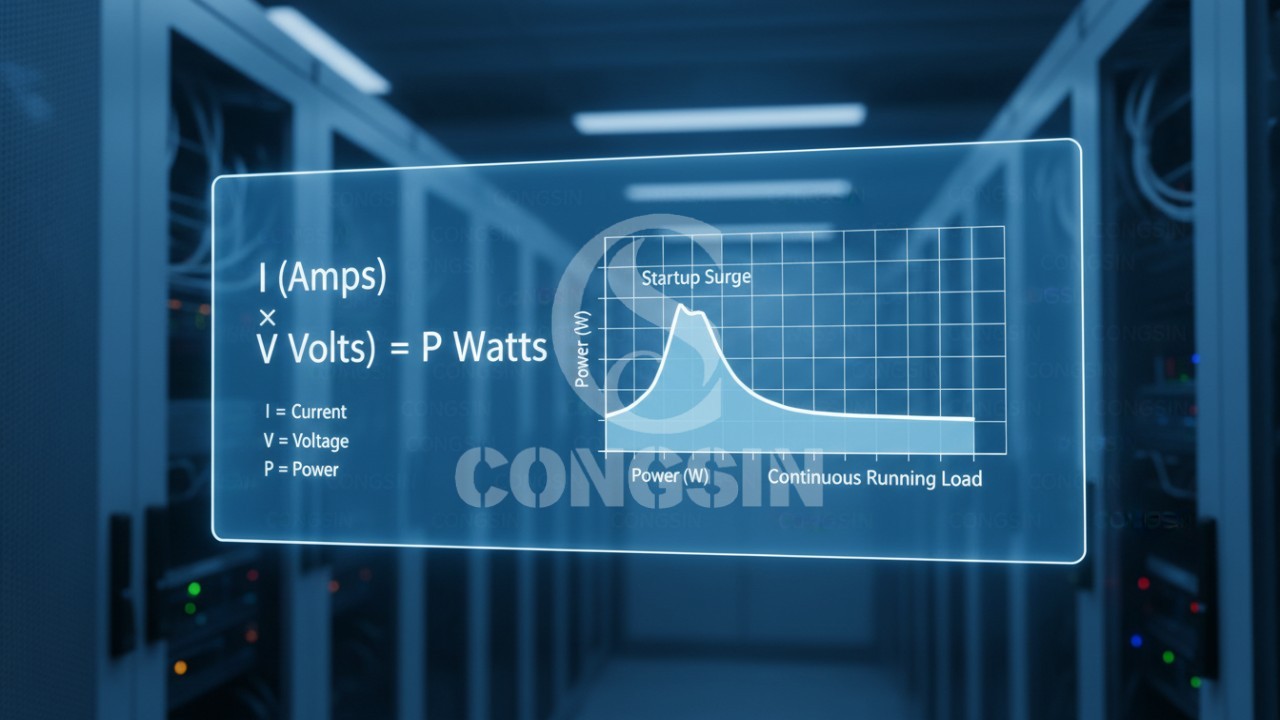
Calculating your vehicle's power demands requires using Watt's Law to determine the total wattage of all connected devices, accounting for startup surges, and ensuring the total draw does not exceed the maximum output capacity of your vehicle's alternator and battery system.
Understanding the basic math is your first step toward achieving energy independence on the road. By using Watt's Law (Amps x Volts = Watts), you can determine your total power footprint. For example, if you have a device that draws 10 amps at 120 volts, it requires 1200 watts of continuous power. However, you must account for the difference between the running load and the inverter surge power requirements. Inductive loads, such as motorized tools, compressors, or refrigerators, can require a startup surge that is two to three times higher than their continuous rating. A 500-watt drill might temporarily demand 1500 watts just to spin up.
Furthermore, always factor in inverter efficiency and conversion loss. High-quality units operate at 85-90% efficiency, meaning they pull slightly more DC power from the battery than they output in AC power. It is vital to evaluate your vehicle's charging system. As noted by Wikipedia's guide on automotive alternators, standard passenger vehicles may only produce 50–70 amps, while heavy-duty trucks might output up to 140 amps. A proper alternator load calculation is required to ensure the inverter draw doesn't exceed the charging system's capacity. If your vehicle needs 60 amps just to run the engine, headlights, and AC, a 100-amp alternator only leaves 40 amps of surplus power for your inverter. Exceeding this limit forces the system to drain the starting battery, eventually leaving you stranded with a dead vehicle.
Data Comparison Table: Pure Sine vs. Modified Sine Wave Cost & Efficiency
Comparing pure sine wave and modified sine wave inverters reveals that while pure sine wave models have a higher upfront cost, their superior energy efficiency and broad appliance compatibility significantly lower long-term operating costs and prevent damage to sensitive electronics.
When making a purchasing decision, understanding pure sine wave inverter efficiency is crucial. According to energy systems research from Penn State University, high-quality sine wave inverters achieve 90-95% efficiency, whereas lower-quality modified versions often hover between 75-85%. This discrepancy in efficiency directly translates to wasted energy, increased heat generation, and higher operational costs over time.
While a pure sine wave inverter is ideal for sensitive equipment, standard applications may only require a basic converter. For example, a Modified Sine Wave Car Inverter provides a highly cost-effective solution for charging basic tools and non-sensitive devices on the go. Additionally, if you need dual input capabilities for varied fleet setups, a standard Modified Sine Wave Car Inverter can meet basic power needs without the premium price tag. The key is to match the technology to the specific application to optimize your budget.
Vehicle-Mounted Inverter Maintenance Strategies to Reduce Costs
Vehicle-mounted inverter maintenance strategies involve routine inspections of thermal management systems, battery cable integrity, and terminal connections to prevent overheating, voltage drops, and costly downtime, thereby extending the lifespan of both the inverter and the vehicle's entire electrical system.
Implementing a strict preventative maintenance schedule is essential for commercial and fleet vehicle electrical maintenance. By avoiding costly downtime, fleet managers can drastically improve their bottom line and extend the operational life of their equipment.
- Thermal Management: Inspect for thermal management issues regularly. Inverters generate heat during the DC to AC conversion process. Ensure mounting locations have adequate airflow and keep cooling fans clear of dust, pet hair, and debris. Never mount an inverter in a sealed compartment without active ventilation.
- Cable Integrity: Regularly check battery cable integrity and terminal torque. The high amperage drawn by an inverter requires thick, undamaged cables. Loose connections cause electrical resistance, severe heat buildup, and dangerous voltage drops that force the inverter to work harder, reducing its efficiency.
- Battery Health: Monitor battery health and isolate the inverter circuit. Using a dual-battery setup with an isolator prevents deep-cycling the vehicle's primary starting battery. Deep-cycling a standard lead-acid starting battery will destroy it within months, leading to expensive replacement costs.
- Firmware and Fault Codes: For modern smart inverters, regularly check the digital display for fault codes or voltage warnings. Catching a low-voltage warning early can save an alternator from burning out.
Advanced Fleet Power Solutions: A Congsin Case Study
Advanced fleet power solutions utilize commercial-grade inverters and smart technology to optimize vehicle power draw, reduce maintenance overhead, and provide a strong return on investment for daily operational use compared to cheaper, consumer-grade alternatives that often fail under heavy workloads.
With over 27 years of focused experience, Guangzhou Congsin Electronic Technology Co., Ltd. (Congsin) designs and manufactures power solutions tailored for vehicles, off-grid homes, and field construction work. In a recent real-world scenario, a regional fleet of patrol and construction vehicles was experiencing high alternator failure rates and dead batteries due to improperly sized, consumer-grade inverters purchased from big-box retailers. These cheaper units lacked proper thermal management and drew excessive standby power even when not in use.
By upgrading the fleet to Congsin's ISO9001-certified pure sine wave inverters, the company optimized its power draw and eliminated electrical failures. Congsin's catalog includes over 100 models, and the fleet managers were able to select the exact wattage required for their specific field equipment. The intelligent functionality and built-in environmental safety compliance (CE, FCC, RoHS) ensured that the inverters only drew what was necessary, communicating efficiently with the vehicles' 12V systems. Furthermore, Congsin's fully automated production lines and advanced testing equipment guaranteed product reliability across the entire fleet. This investment in professional-grade equipment lowered the commercial fleet's operating costs by reducing equipment downtime, eliminating premature alternator replacements, and extending the lifespan of their onboard electronics.
Expert Tips and Common Mistakes to Avoid
Avoiding common inverter mistakes, such as overloading cigarette lighter ports or ignoring alternator limits, requires building in wattage buffers and hardwiring larger loads directly to the battery to ensure safe, continuous, and reliable power delivery for all your onboard electronics.
Even with the best equipment, improper installation and usage can lead to catastrophic failures. Here are the most common pitfalls and how to avoid them:
- Common Mistake: Relying on the 12V cigarette lighter port for loads exceeding 150 watts. Most vehicle accessory ports are fused at 10 to 15 amps. Trying to run a 400-watt blender through this port will inevitably lead to blown fuses and potentially melted factory wiring.
- Expert Tip: Always build in a 20% wattage buffer above your calculated maximum load. If your equipment requires 1000 watts to run, purchase an inverter rated for at least 1200 watts. This accommodates future equipment additions, accounts for efficiency losses, and prevents max-capacity strain on the inverter's internal components.
- Common Mistake: Ignoring alternator output limits. This forces the starting battery to compensate for the power deficit. Over time, this constant drain-and-charge cycle leads to dead batteries and expensive alternator replacements.
- Expert Tip: For loads over 400 watts, always wire the inverter directly to the vehicle battery using appropriately sized, heavy-duty inline fused cables. Ensure the fuse is placed as close to the battery terminal as possible to protect the entire length of the wire from short circuits.
Conclusion
Selecting the right car power inverter and maintaining it properly is absolutely crucial for minimizing equipment downtime, maximizing operational efficiency, and avoiding costly vehicle electrical system repairs over the entire lifespan of your commercial fleet or personal recreational vehicle.
By carefully calculating your power needs, choosing highly efficient waveforms, and adhering to a strict maintenance schedule, you can drastically reduce your operational overhead. Whether you are outfitting a single recreational vehicle or managing a massive fleet of commercial trucks, treating your electrical system with the respect it deserves pays massive dividends. Investing in reliable, efficient, and affordable energy solutions enables true energy independence on the road, ensuring you always have the power you need, exactly when you need it.
Frequently Asked Questions
What size inverter do I need for my car?
You need an inverter that can handle 20% more than the total continuous wattage of all devices you plan to run simultaneously. You must also ensure it can handle the peak surge wattage required when devices first turn on.
Does a power inverter drain the car battery?
Yes, an inverter draws power from the battery. If the vehicle is running, the alternator recharges the battery. If used while the engine is off, it will drain the battery and may prevent the vehicle from starting.
What is the difference between continuous and peak power?
Continuous power is the wattage an inverter can supply consistently over an extended period. Peak power (or surge power) is the short burst of maximum wattage the inverter can supply to start inductive loads like motors.
Can I run a car inverter while the engine is off?
Yes, but only for a limited time based on your battery's reserve capacity and the size of the load. It is highly recommended to start the engine periodically to recharge the battery.
Why is my vehicle-mounted inverter constantly overheating?
Overheating is usually caused by poor ventilation, drawing too much continuous power near the inverter's maximum rating, or blocked cooling fans. Ensure the inverter is mounted in a cool, open area away from direct sunlight and engine heat.
Are pure sine wave inverters worth the extra cost?
Yes, especially if you are running sensitive electronics like laptops, medical equipment, or power tools with variable speed motors. They provide cleaner power that mirrors the grid, preventing damage and reducing operating temperatures.
How often should I perform maintenance on my car inverter?
For daily commercial use, visual inspections should be done monthly. Check cable connections, test voltage drops, and clean dust from the internal fan at least every six months.
What happens if I overload my car power inverter?
Modern inverters have built-in overload protection and will automatically shut down and trigger a fault alarm. Repeated overloading, however, can degrade internal components and reduce the overall lifespan of the unit.
Contact Guangzhou Congsin Electronic Technology Co., Ltd. today to discuss your specific needs.


Pure Sine Wave Inverters
Does it have a charging (UPS) function?
No, this model is a pure inverter without UPS function.
Modified Sine Wave Inverters
Can it drive a 3000W air conditioner?
Yes. Air conditioners have instantaneous power during startup (about 2-3 times the rated power), and this product has a peak power of 6000W, which can meet the startup and operation needs of a 3000W air conditioner; the battery capacity must be ≥150Ah to ensure continuous power supply.
What devices can it power?
Suitable for fans, lights, TVs, laptops, and small electric tools.
Can it be used in electric vehicles?
Most electric vehicles have a high-voltage system, and this inverter inputs DC 12V. It is not recommended to use it directly. If you need to use it, please confirm whether the vehicle power output matches first.
Which regional plugs can be used with the universal socket?
The universal socket supports most national plug specifications, such as GB, US, EU, etc. (some require adapters), and can meet the use of devices in multiple regions.
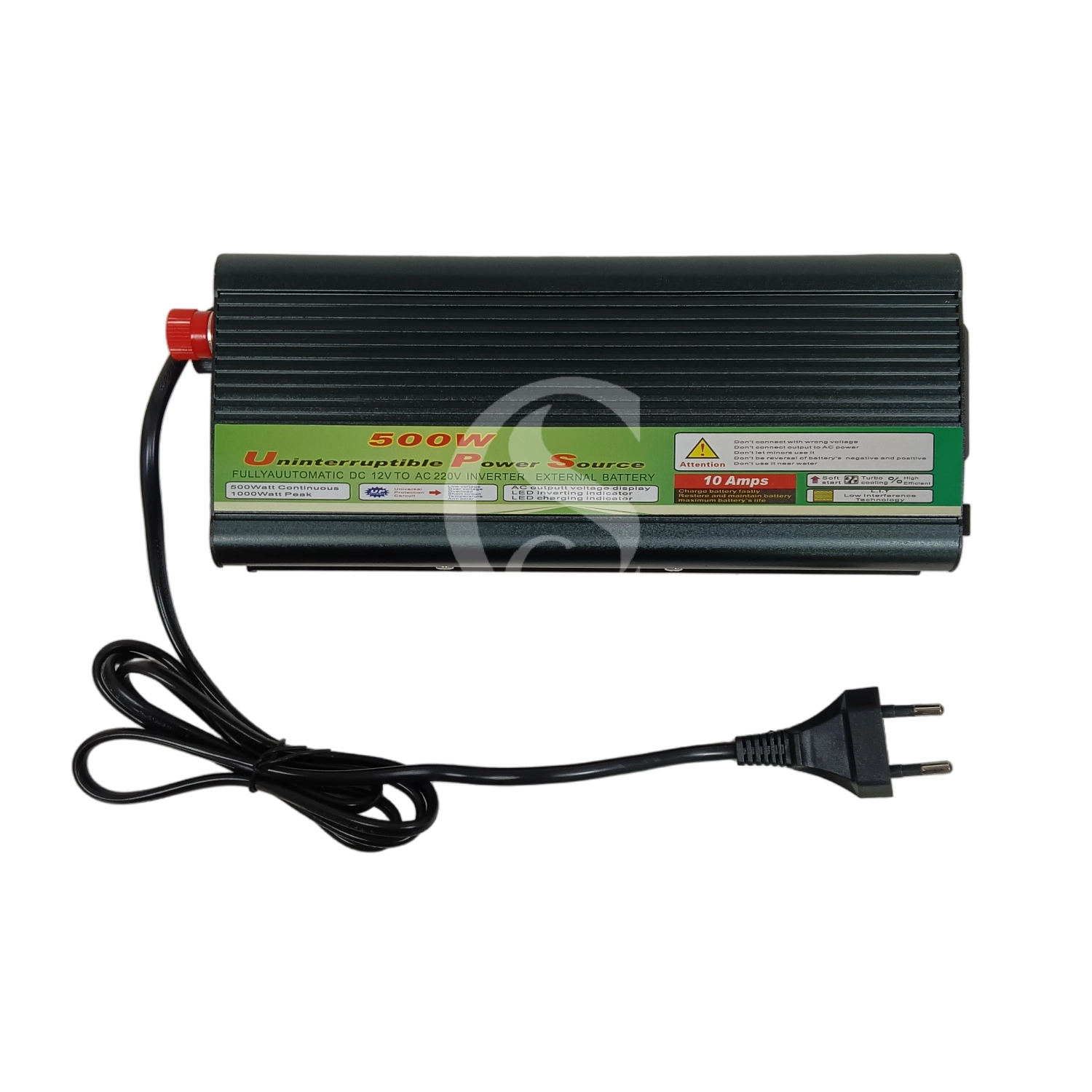
Congsin 500W 12V to 220V inverter delivers reliable off-grid power with its modified sine wave design. This portable 500W DC to AC power inverter efficiently converts 12V DC to 220V AC, ideal for outdoor and emergency use. Trust Congsin for stable, portable energy solutions.
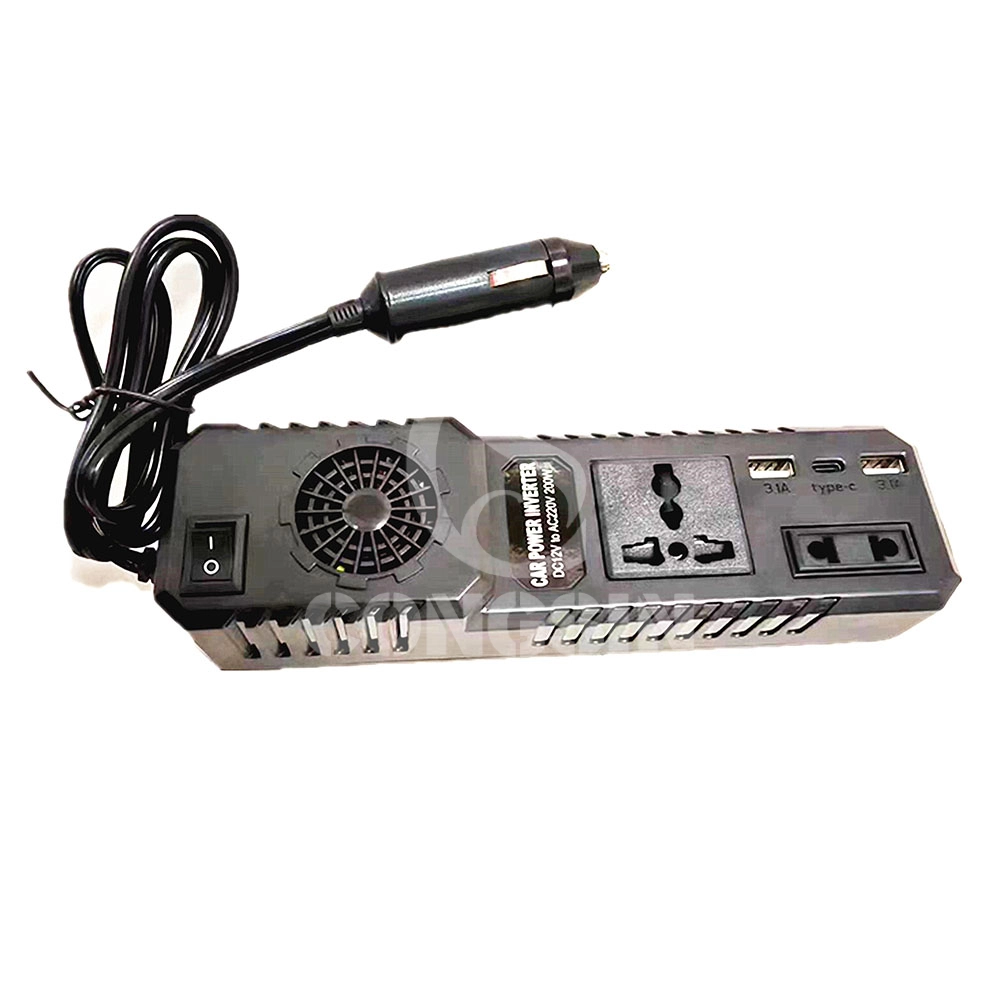
This 200W Modified Sine Wave Car Power Inverter is a compact and practical power conversion device designed for vehicle use. It supports dual input (DC12V/24V) and outputs AC220V, compatible with various electronic devices. Equipped with a Type-C port and dual 3.1A USB outputs, it can charge laptops, phones, cameras, drones, and other small electronics simultaneously—perfect for outdoor travel, emergency backup, and mobile work scenarios.
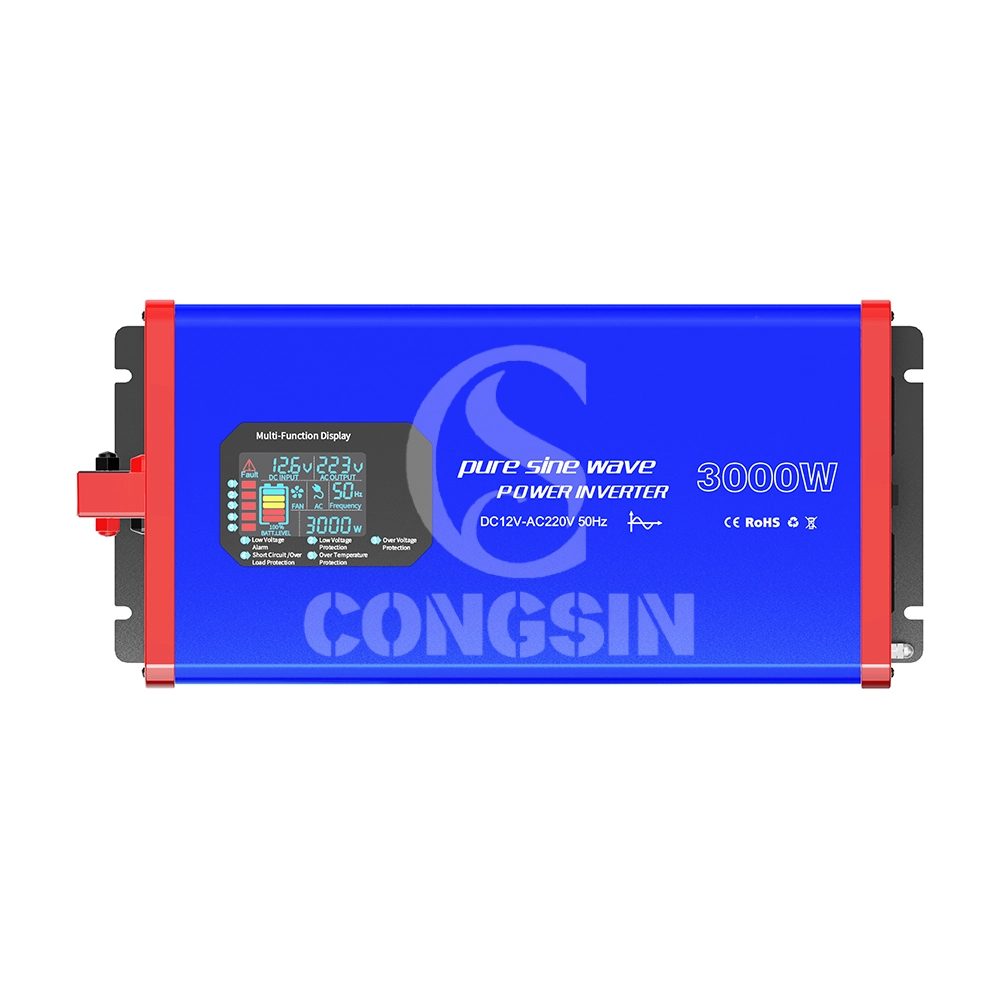
This 3000W full-power pure sine wave inverter (Model: CS3000PSW) adopts pure sine wave output technology (waveform distortion rate <2%), and the output power is highly consistent with mains power quality. It can safely drive high-power precision loads such as air conditioners, refrigerators, medical instruments, and small industrial equipment, avoiding equipment malfunctions or shortened service life caused by unstable waveforms. The device supports DC 12V input (compatible with 10.5V-14.8V wide voltage), continuously outputs 3000W full power, and has a peak power of 6000W, easily coping with the instantaneous startup impact of high-power devices; it is equipped with 4 AC universal sockets (max current 16A) + 2 USB 3.0 fast-charging ports (22.5W per port) to meet the simultaneous power supply needs of multiple devices. Built-in six-fold safety protection (overload, overvoltage, undervoltage, short circuit, overtemperature, reverse connection), combined with dual intelligent silent cooling fans (noise ≤45dB), it achieves the triple advantages of "high power + high safety + low noise," suitable for home emergency, outdoor engineering, vehicle-mounted power supply, small industrial scenarios and other fields.
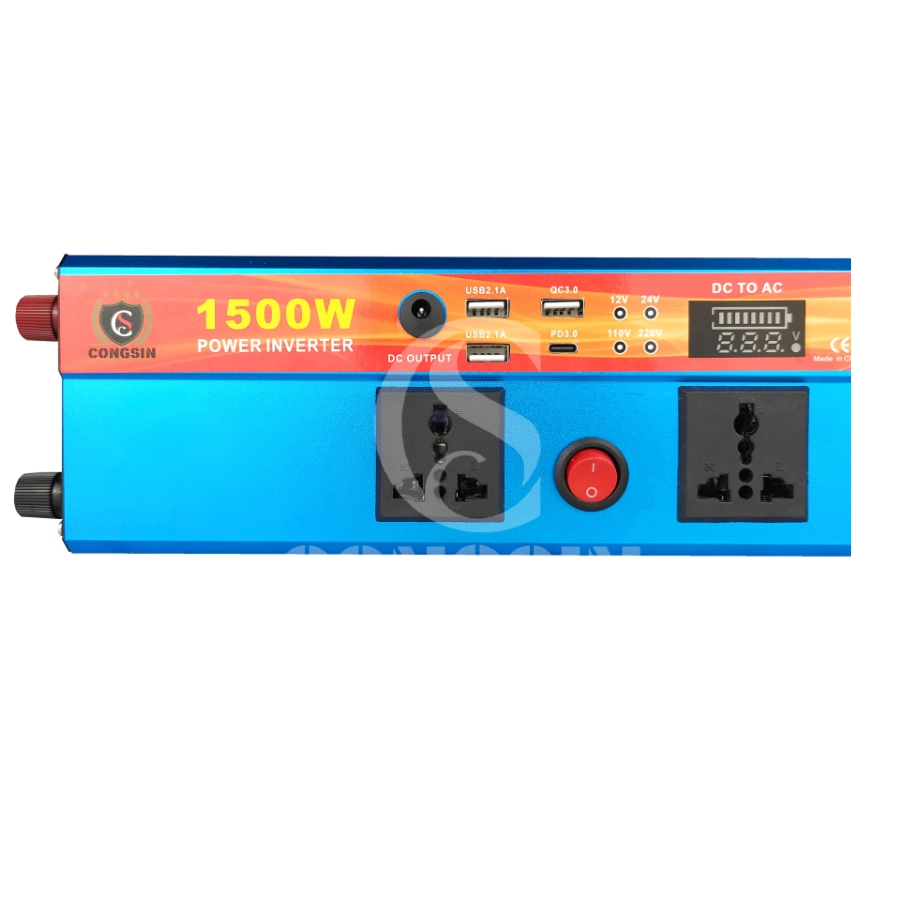
Our CS1000DDBC 1000W modified sine wave inverter is a professional power conversion device that converts DC 12V from batteries into AC 220V electricity. It is designed with user convenience in mind, featuring an LED display for real-time status monitoring, multiple charging ports (3 USB, 1 Type-C, 1 DC 12V) and two universal sockets to power a wide range of devices simultaneously. Its compact size (250×95×55mm) and lightweight design (NW: 0.84kg) make it easy to carry, ideal for outdoor activities, emergency home use, and on-the-go power needs.
Get in Touch with Our Team
You can also communicate with us directly through our online contact form. Please fill in the following information, and our team will contact you as soon as possible after receiving your message.

CONGSIN is a trusted OEM factory for power inverters, solar charge controllers, and DC converters. Reliable solutions for global B2B buyers.
 High Quality
 7/24 Service
 Guaranteed Warranty
© 2025 Congsin. All Rights Reserved.